Session 3
Stay Smart, Stay Safe
Your guide to recognize and stopping phone and online scams
- What are digital frauds - Learnt in the previous class
- What was 5 golden rules?
What We Will Learn Next
Part 1: Some others online frauds
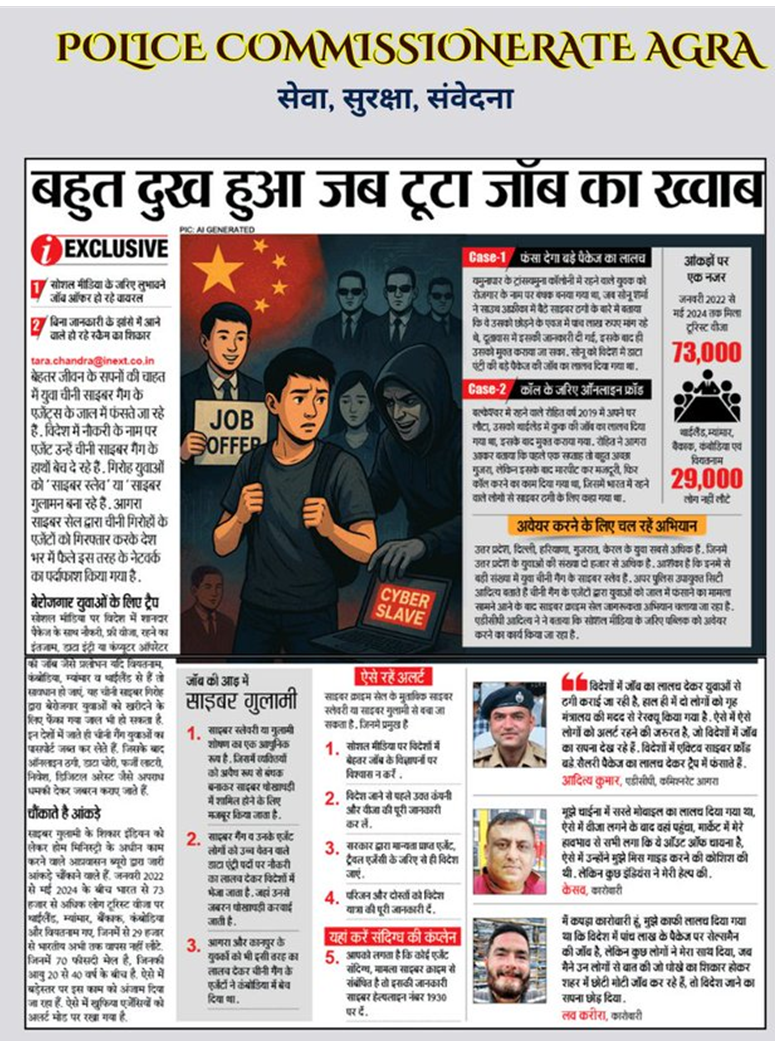
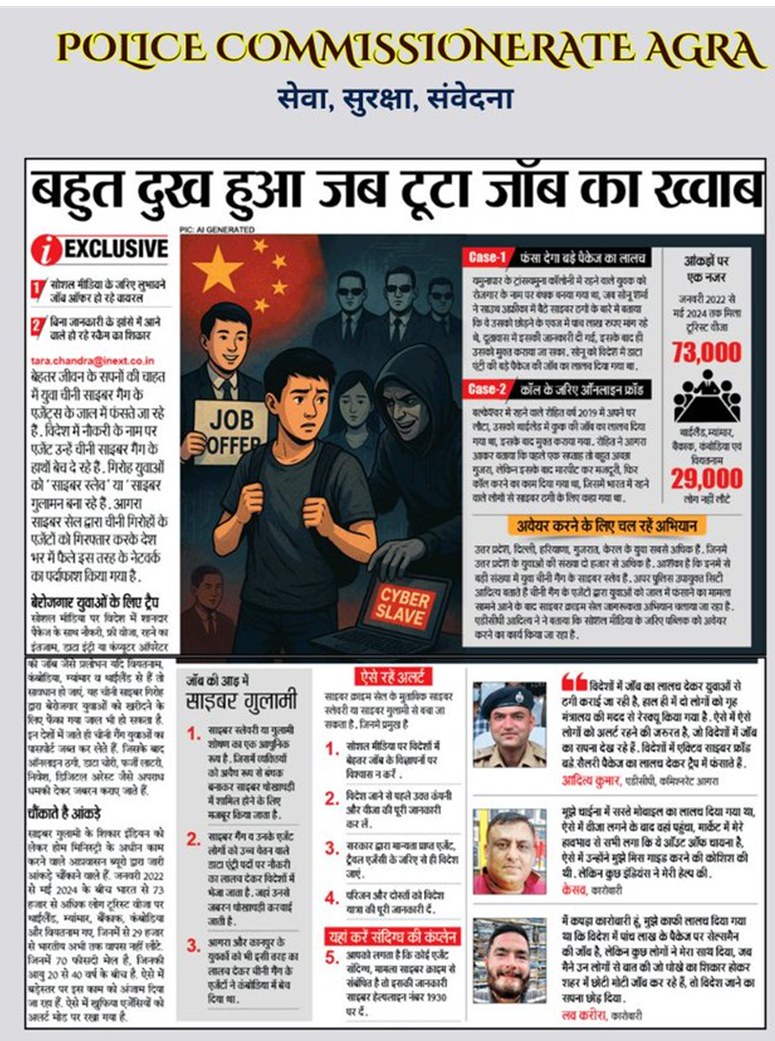
- Fake job offers
- Photo Trap
- Digital arrest
- Fake friend request
Part 2: Digital Print
- What is digital footprint?
- Safe digital practices
- How to think like a pro?
Our goal today is to build safe habits that will protect your digital life. These skills will empower you to navigate the online world with confidence and security.
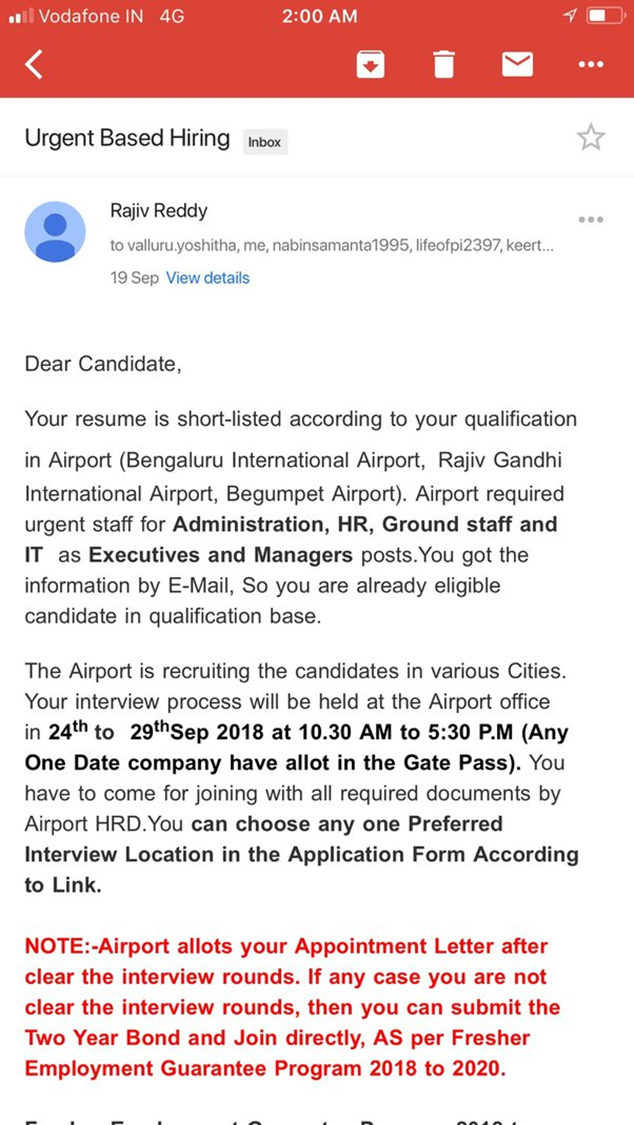
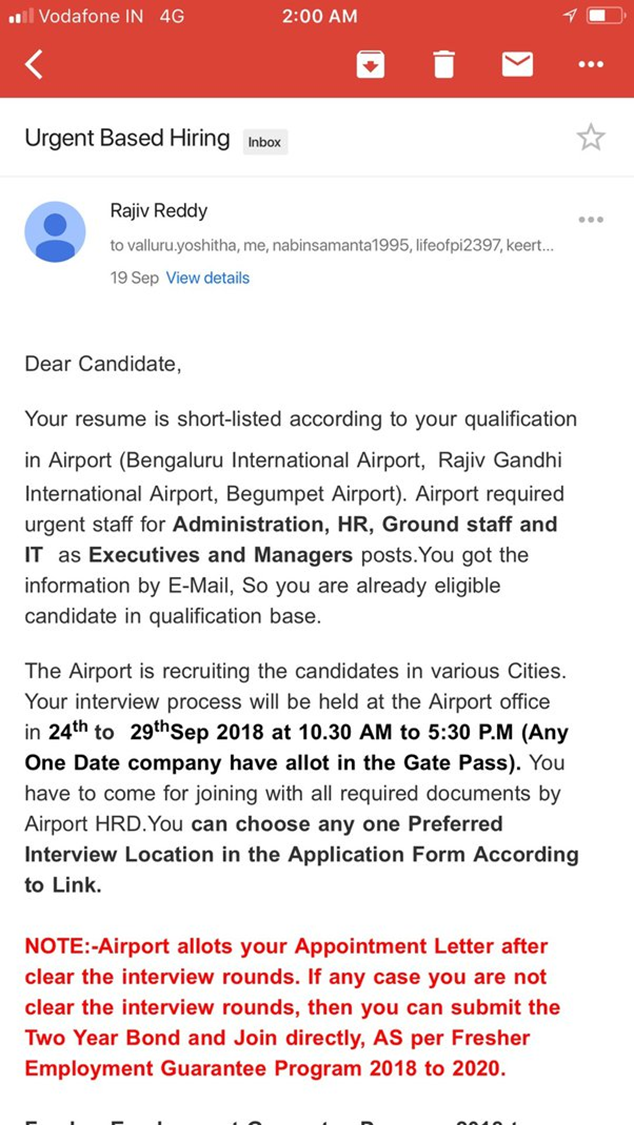
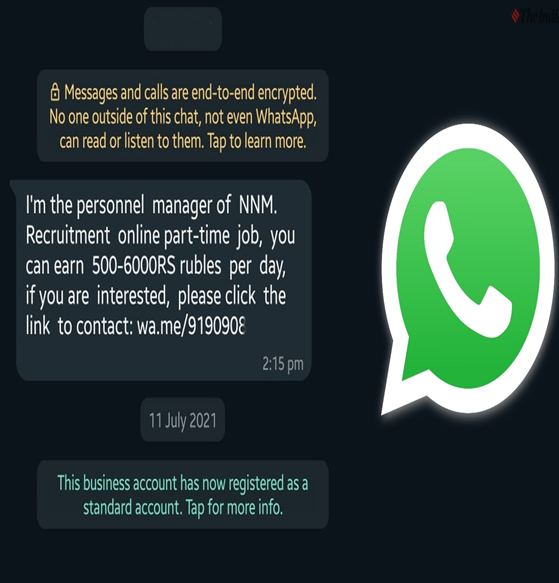
Fake Job Offers


Psychological and Emotional Play
- Attractive salary( Unexpected)
- Easy job/ work from home
- Attractive Benefits
Safe Play
- Choose authentic website for job
- Do not pay any money( Authentic job site - Do Not Ask - Registration/ Advance)
- Check website / take mentor or counsellor help
The "Photo Trap"
A photo trap is when someone asks for your photo - evena seemingly innocent one - and then misuse it in harmful ways.
-
Step 1: Build Trust
A new online friend starts chatting and build relationship with you over time.
-
Step 2: The ask
They ask for a simple photo, making it seem casual or harmless
-
Step 3: The Trap
They use it to blackmail you, create fake profiles , or share it publically without your permission.

Critical Rule: Once you send a photo, you lose control over it forever. It can be copied, edited, and shared without your consent.
How To Avoid Photo Traps: The 3 Rules
- Stop: Pause before you post or send anything. Ask yourself: "Why do they need this photo? Does this request feel right?"
- Scrub: Check the photo carefully for the identity details like your school uniform, house number, street sign, or location tags.
- Share Smartly: Only share photo with people you know in real life and genuinely trust. Online only friends don't count.
When in doubt,don't send it out!

Fake Friend Request
Psychologigal Play
- Emotional Blackmail
- Put you on shame
Healthy Steps
- Always aask for help
- Share your mentor/ friends/ counsellor
- Complain to Cycber Police (They keep your identity safe)
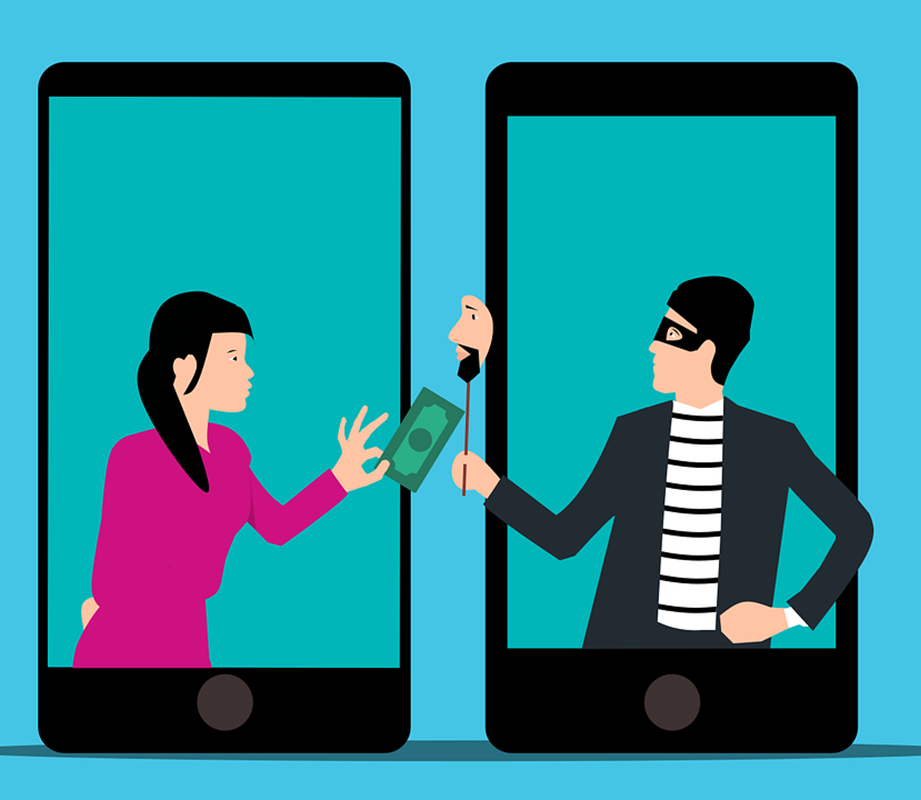
What is "Digital Arrest"?
Digital police is a dangerous scam where fraudsters pretend to be police officers, government officials, or law enforcement agents.
Here's how it works:
- They contact you claiming you've commited a serious crime.
- They demand immediate payment to avoid arrest or legal action.
- Theu may try to isolate you from friends and family.
- They create panic to pressure you into quick decisions.
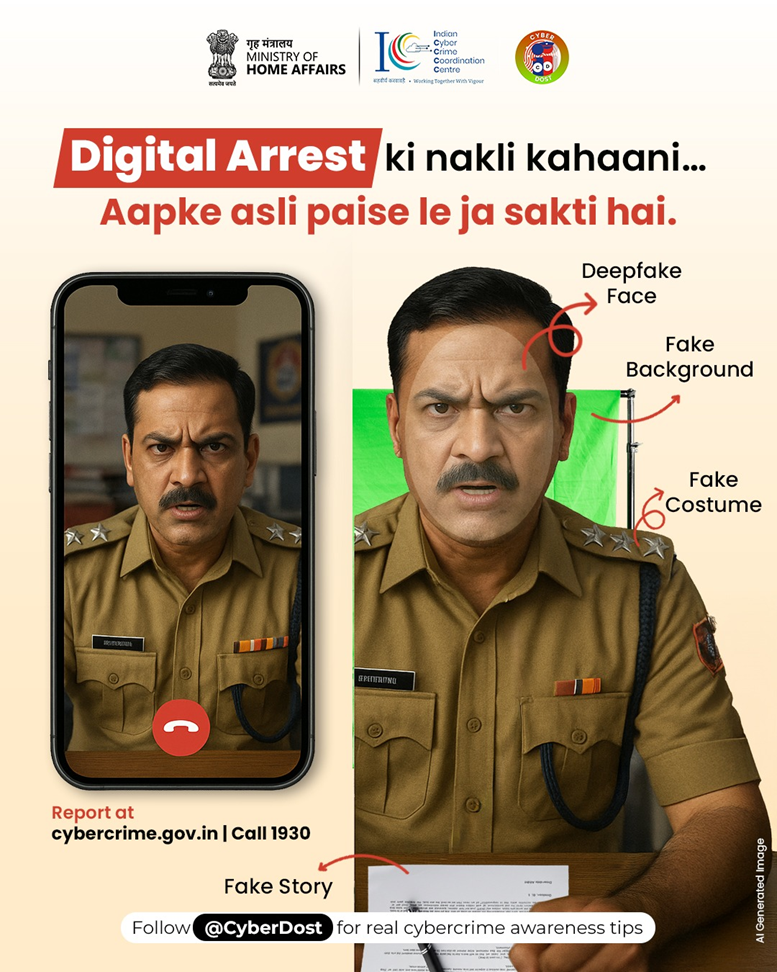
The Truth: It's 100% fake. Real police will never demand money over the phone, through email, or via video call tp avoid arrest. Legitimate law enforcement follows proper legal procedures
What is Digital Footprint?
Your digital footprint is your online story - the trail of data you leave behind as you navigate the internet. it's created by everything you do in the digital world:
- Posts. likes, and shares on social media.
- Photos and videos where you're tagged.
- Comments you make on websites or apps .
- Search history and website visits
Key message: This story is PUBLIC and often PERMANENT. What you post today can be discovered years from now.
Why Your Digital Footprints Matters?

-
Future You: Over 70% of colleges and employers check social media profiles before making decisions. Your digital footprints can open doors or close them.

- Your Reputation: Your online presence shapes what people think about you - friends, teachers, and future connections all form impression based on what they see.

- Your Safety: Personal information you share online can reveal where you live, go to school, or spend time - putting your privacy and safety at risk.

- It Can Be Used Against You: Posted content can be weaponized for cyberbullying, idenbtity theft, or fraud by people with bad intentions.
" Your online record can follow you for years. Make sure it tells the story you want to tell."